Whether you’re transporting a classic car across state lines, securing outdoor gear for a road trip, or hauling heavy cargo for work, a reliable car strap is non-negotiable. Among the various options available, car tie down straps stand out as the gold standard for ensuring stability and safety during transit. These versatile tools are designed to withstand extreme tension, prevent load shifting, and protect both your cargo and vehicle from damage. In this comprehensive guide, we’ll explore everything you need to know about car straps and car tie down straps—from their types and materials to proper usage and tips.
What Are Car Straps & Car Tie Down Straps?
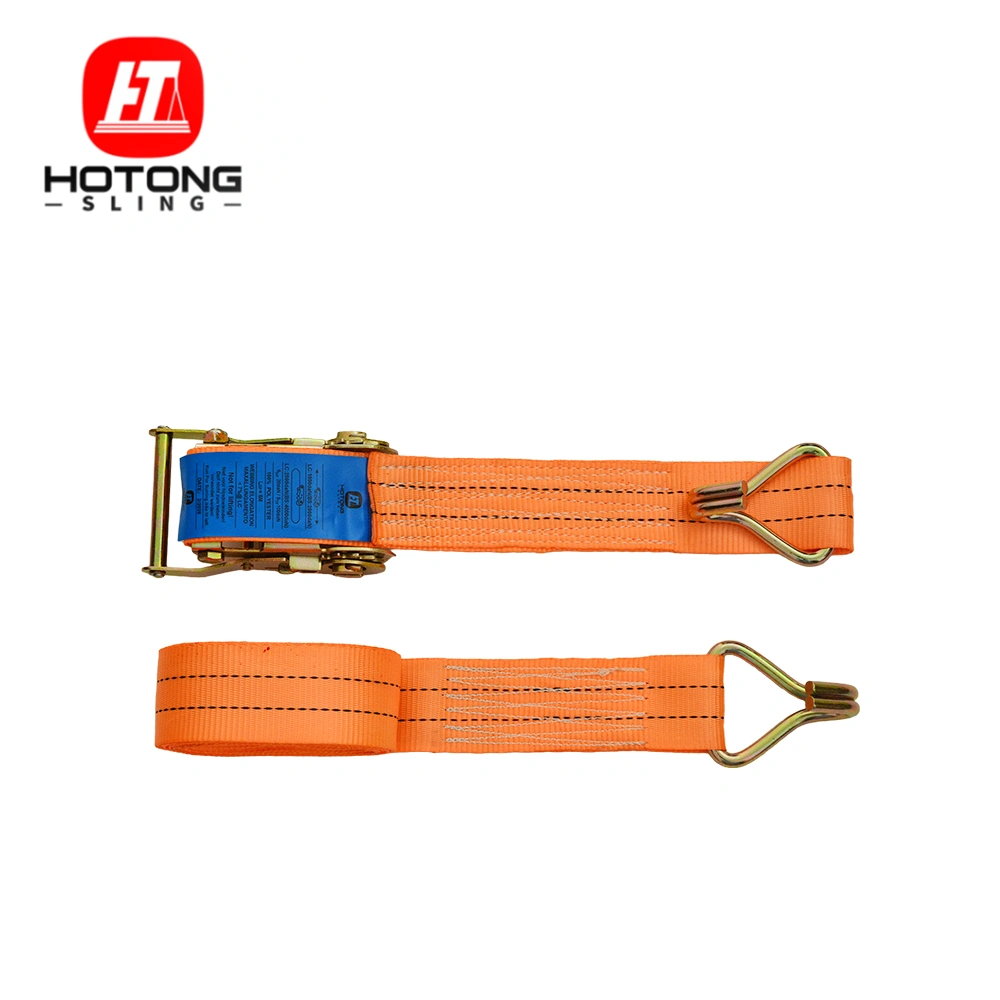
A car strap is a broad term encompassing any strap designed to secure items to or within a vehicle. This includes lightweight bungee straps for small gear and heavy-duty options for larger loads. On the other hand, car tie down straps are specialized straps engineered for securing vehicles or heavy cargo during transportation, such as on trailers, trucks, or roof racks. Unlike basic bungee cords, car tie down straps feature robust tensioning mechanisms (like ratchets or cam buckles) and high-strength materials to handle significant weight and prevent slippage.
Both car straps and car tie down straps are indispensable for anyone who transports cargo regularly. From off-road enthusiasts recovering a stuck vehicle to movers hauling furniture, these tools provide the peace of mind that comes with knowing your load is secure.
Key Types of Car Tie Down Straps
Not all car tie down straps are created equal—different designs cater to specific needs. Here are the most common types:
Ratchet Straps
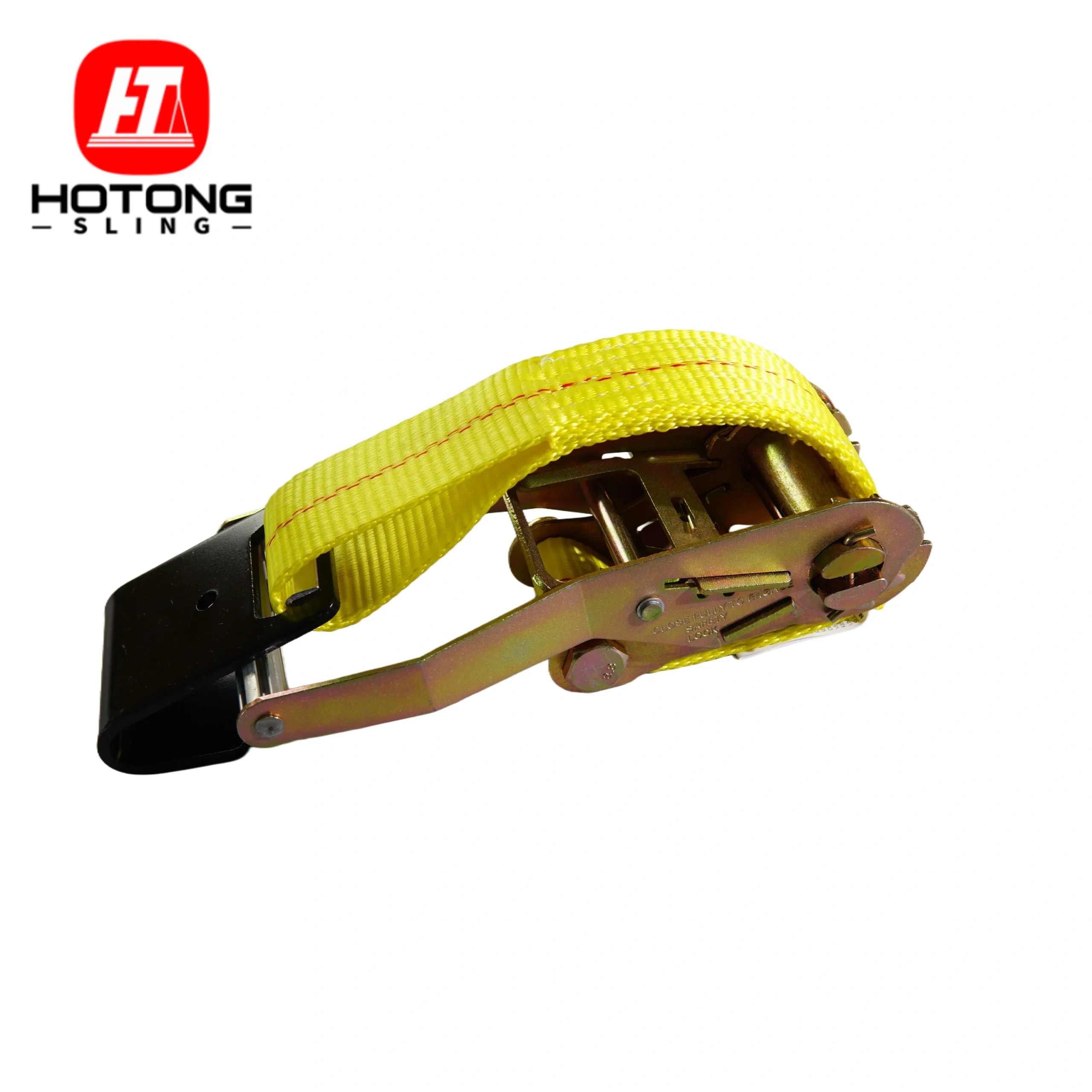
The most popular type of car tie down strap, featuring a ratchet mechanism that allows precise tensioning. Ideal for heavy loads like cars, ATVs, or construction materials, ratchet straps are made from industrial-grade polyester or nylon for maximum durability. They often come with protective sleeves to prevent abrasion and various hook types (flat hooks, J-hooks) for secure attachment.
Wheel Straps
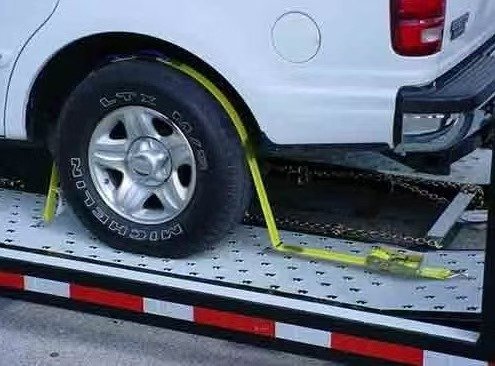
Specifically designed to secure vehicles by wrapping around their wheels, these car tie down straps are perfect for transporting cars on trailers. They distribute pressure evenly to avoid damaging the vehicle’s body and ensure stability even on bumpy roads.
Cam Buckle Straps
A lighter alternative to ratchet straps, cam buckle straps use a cam mechanism for quick tightening. Suitable for medium-weight loads like luggage, camping gear, or small equipment, they’re easy to use and adjust on the go.
Recovery Straps
A specialized car strap for off-road scenarios, recovery straps are elastic to absorb kinetic energy when pulling a stuck vehicle from mud, sand, or snow. They’re thicker and more flexible than standard tie down straps, making them essential for off-road adventurers.
Materials Matter: Choosing Durable Car Straps
The performance of a car strap or car tie down strap depends largely on its material. Here’s a breakdown of the most common options:
Polyester
The top choice for car tie down straps, polyester boasts high tensile strength, resistance to stretching, and durability against UV rays and moisture. It’s ideal for heavy-duty applications and outdoor use, as it won’t weaken easily under harsh conditions. Most industrial-grade ratchet straps are made from polyester.
Nylon
More elastic than polyester, nylon is commonly used in recovery straps. Its stretchability allows it to store kinetic energy during vehicle recovery, providing a smooth pull without sudden jolts. Nylon is also resistant to abrasion but may stretch more under heavy loads, making it less suitable for static tie downs.
Polypropylene
A budget-friendly option for light-duty car straps. While it’s lightweight and resistant to water, polypropylene has lower tensile strength and is prone to breaking under heavy loads. It’s best for securing small, lightweight items.
How to Choose the Right Car Tie Down Straps
Selecting the right car tie down straps requires considering your specific needs and load requirements. Follow these tips to make an informed choice:
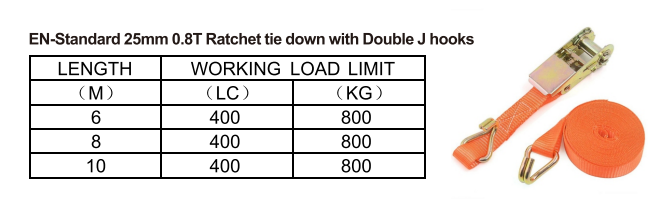
- Check Load Capacity: Every car tie down strap has a working load limit (WLL) and a break strength. The WLL is the maximum weight the strap can safely handle—always choose straps with a WLL that exceeds your load’s weight. For example, transporting a 2,000-pound car requires straps with a WLL of at least 1,000 pounds each (using multiple straps for even distribution).
- Consider Attachment Points: Ensure the straps’ hooks or loops are compatible with your vehicle or trailer’s anchor points. Avoid attaching car tie down straps to weak components (like bumpers or plastic parts), as this can cause damage or failure.
- Length & Adjustability: Choose straps that are long enough to wrap around your load and anchor points with room to adjust. Most car tie down straps come in lengths ranging from 10 to 30 feet, with adjustable designs for versatility.
- Quality of Hardware: Inspect the buckles, ratchets, and hooks for durability. Look for rust-resistant coatings (like zinc plating) to withstand moisture and heavy use. A faulty ratchet or weak hook can compromise the entire strap’s security.
Proper Usage & Safety Tips for Car Straps
Even the best car tie down straps won’t keep your load safe if used incorrectly. Follow these guidelines for safe and effective use:
- Inspect Before Use: Always check your car strap for signs of wear, fraying, cuts, or damage before each use. Damaged straps should be replaced immediately, as they can fail under tension. Also, ensure hardware is clean and functioning properly—stuck ratchets or bent hooks are safety hazards.
- Distribute Tension Evenly: Use multiple car tie down straps to distribute the load’s weight evenly. For vehicles, use at least four straps (one on each wheel) to prevent shifting. Avoid over-tightening, as this can damage the load or vehicle.
- Secure Properly: Thread the strap through the ratchet mechanism correctly, ensuring it lies flat and isn’t twisted. For recovery straps, attach only to designated tow hooks or recovery points on the vehicle’s frame—never to bumpers or suspension parts .
- Maintain & Store Correctly: Clean your car straps regularly with mild soap and water to remove dirt and debris, then air-dry fully before storage. Avoid storing straps in direct sunlight or extreme temperatures, as this can weaken the material over time. Wrap straps neatly to prevent tangling and damage.
The Growing Importance of Car Tie Down Straps
With the global car tie down straps market projected to grow steadily through 2031, driven by increasing demand from the automotive, shipping, and construction industries, these tools are becoming more advanced and versatile. Manufacturers are focusing on eco-friendly materials (like bio-based polyester) designs (integrated sensors for tension monitoring) to meet evolving safety standards and consumer needs.
Whether you’re a professional hauler or a casual driver, investing in high-quality car strap and car tie down straps is a small cost compared to the potential damage or accidents caused by unsecured loads. By choosing the right type, using proper techniques, and maintaining your straps, you can ensure safe and stress-free transportation every time.
Ready to upgrade your cargo security? Look for trusted brands that prioritize durability and safety—your load (and peace of mind) will thank you.