In the world of cargo control, lifting operations, and rescue missions, the reliability of connection hardware can make all the difference between safety and disaster. Among the essential components that ensure secure attachments, the swan hook stands out for its unique design and versatile applications. Whether paired with tie down straps for transporting heavy loads or combined with a polyester sling for lifting tasks, the swan hook delivers consistent performance across industries. This guide explores the key features, applications, and benefits of swan hooks, along with how they integrate seamlessly with tie down straps and polyester slings to enhance operational safety and efficiency.
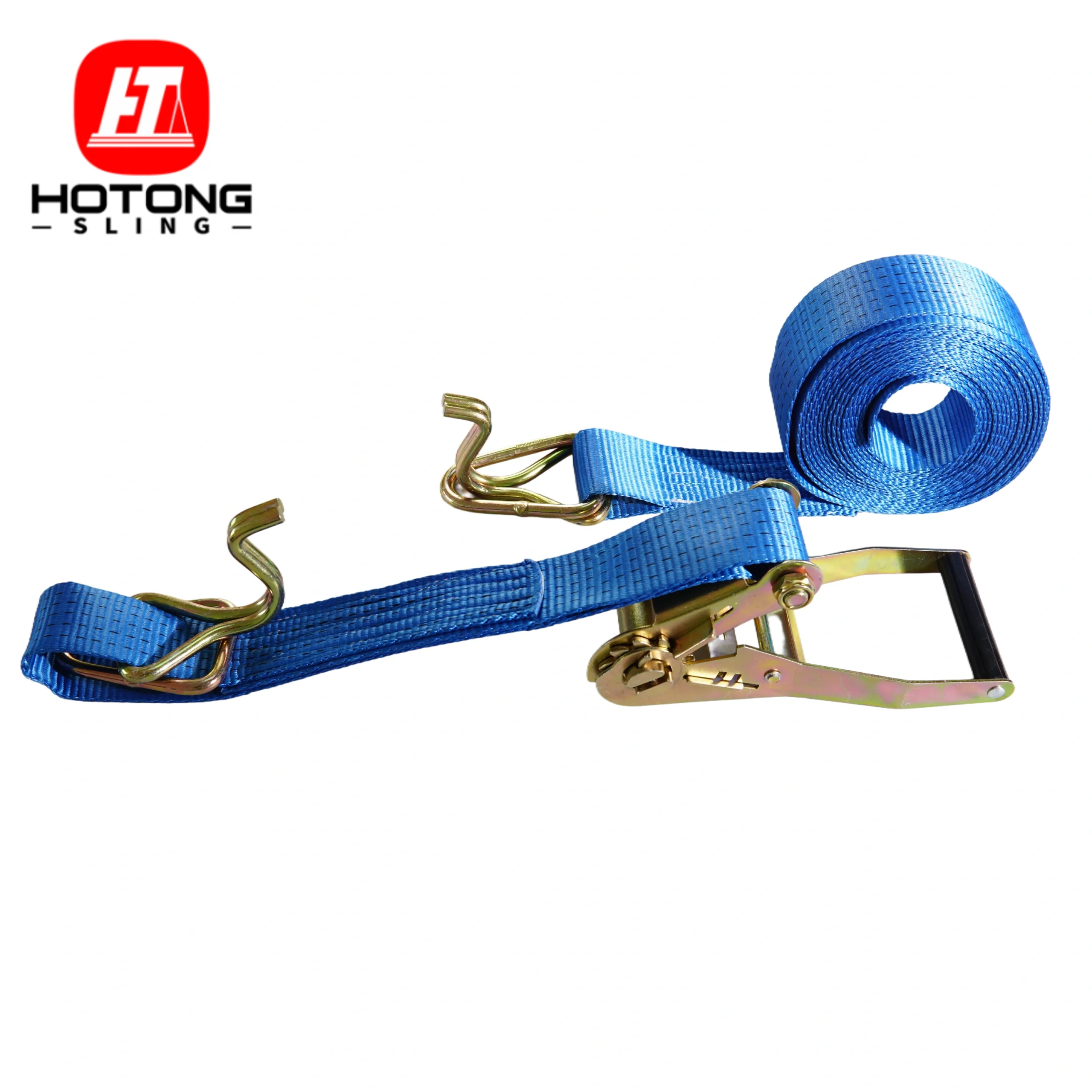
What Is a Swan Hook? Key Features and Design Advantages
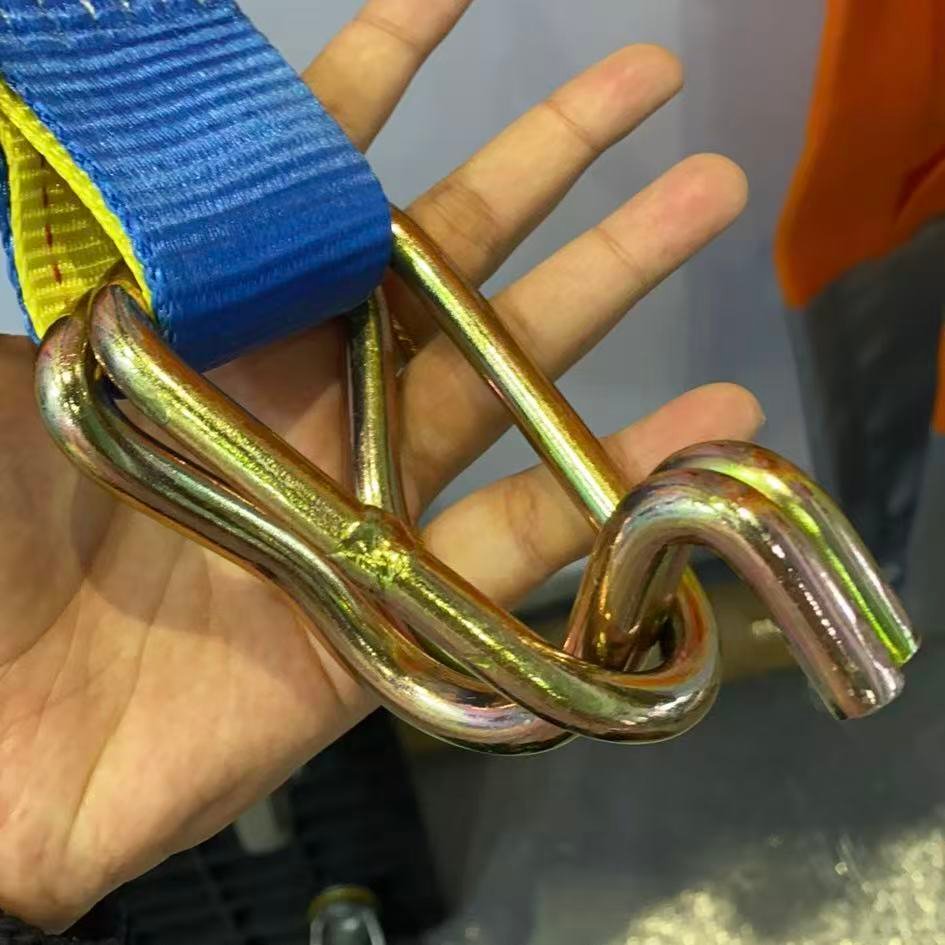
A swan hook is a curved, metal connector named for its resemblance to a swan’s neck. This ergonomic design is not just aesthetic—it’s engineered to provide secure engagement with anchor points, rails, lugs, and tie rings while minimizing the risk of slipping or detachment. Typically crafted from high-strength materials like forged steel or stainless steel, swan hooks undergo processes such as zinc plating or chromate finishing to resist corrosion, making them suitable for both indoor and outdoor use, including harsh marine or construction environments.
One of the standout features of swan hooks is their compatibility with various hardware and webbing materials. Unlike some specialized hooks that limit usage, swan hooks easily pair with tie down straps (including ratchet straps and winch straps) and polyester sling options, adapting to different load requirements. Many swan hooks also come with a keeper or spring-loaded closure, adding an extra layer of security by preventing accidental disengagement during transit or lifting.
Swan Hook and Tie Down Straps: A Perfect Pair for Cargo Securement
When it comes to transporting cargo—whether on flatbed trucks, trailers, or shipping containers—tie down straps are indispensable, and the choice of hook can significantly impact their effectiveness. Swan hooks are a preferred option for tie down straps, especially in compliance with standards like Australia’s AS4380 for ratchet straps. Their curved design allows for easy attachment to a wide range of anchor points, even in tight or hard-to-reach spaces, ensuring that tie down straps are tensioned properly and remain secure throughout the journey.
Polyester is the most common material used in tie down straps paired with swan hooks, and for good reason. Polyester webbing offers low stretch (only 5-15% under rated load), which enhances load control by reducing bounce and preventing cargo shifting. When combined with a swan hook, polyester tie down straps become a reliable solution for securing heavy machinery, vehicles, construction materials, and other bulky items. The swan hook’s strong breaking strength—ranging from 1,500 kg to 10,000 kg depending on size—ensures that it matches the tensile strength of high-quality tie down straps, eliminating weak links in the securement system.
Industries such as logistics, automotive hauling, and agriculture rely heavily on swan hook-equipped tie down straps. For example, in auto transport, swan hooks attach tie down straps to vehicle axles or frames, keeping cars and trucks stable during transit. In agriculture, they secure farm equipment or harvest loads, withstanding the vibrations and movement of off-road travel. The corrosion-resistant finish of swan hooks also makes them ideal for marine applications, where tie down straps are used to secure boats, jet skis, or marine gear against saltwater exposure.
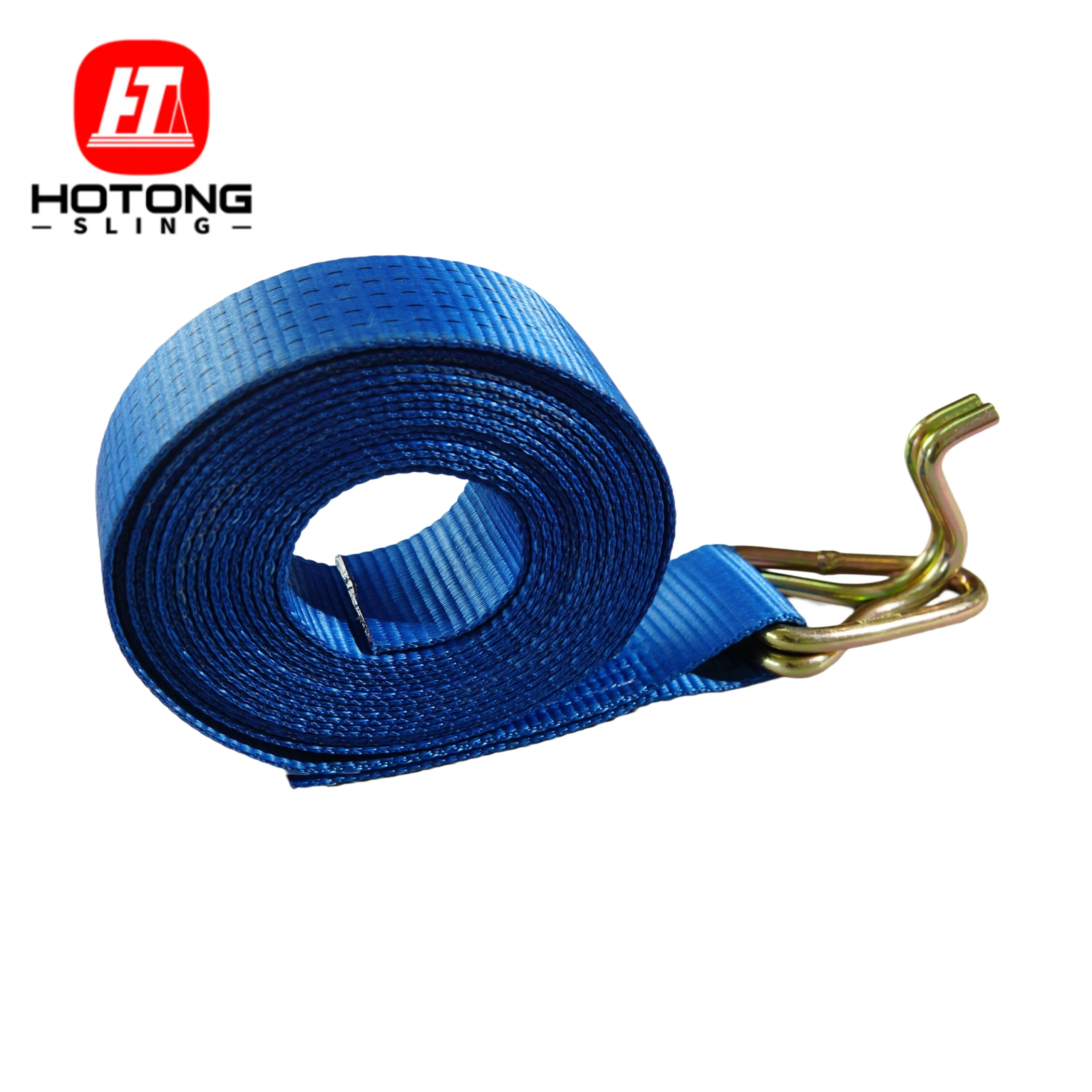
Integrating Swan Hooks with Polyester Slings for Lifting Operations
Beyond cargo securement, swan hooks play a crucial role in lifting operations when paired with polyester sling options. Polyester slings are favored for lifting tasks due to their strength, flexibility, and resistance to UV rays, abrasions, and chemicals. They also absorb very little water, preventing mold, mildew, and shrinkage—making them suitable for outdoor or wet environments. When a swan hook is attached to a polyester sling (either as an end fitting or a connection point), it enhances the sling’s versatility by enabling secure attachment to lifting lugs, beams, or cargo.
Polyester slings with swan hooks are used in a variety of lifting scenarios, from construction sites (lifting steel beams or concrete blocks) to warehouses (moving pallets or heavy machinery) and even rescue operations. For example, in bird rescue missions, specialized swan hooks are used with extendable poles and soft polyester slings to safely retrieve injured swans or endangered birds without causing harm. In industrial settings, the combination of a swan hook and polyester sling ensures that loads are lifted smoothly and securely, with the swan hook’s curved design distributing weight evenly and reducing stress on the sling.
Choosing the Right Swan Hook for Tie Down Straps and Polyester Slings
To maximize safety and performance, it’s essential to select the right swan hook for your specific application with tie down straps or polyester slings. Here are key factors to consider:
Load Capacity: Match the swan hook’s breaking strength and working load limit (WLL) to the requirements of your tie down strap or polyester sling. Never exceed the rated capacity, as this can lead to equipment failure.
Material: Choose stainless steel for corrosive environments (e.g., marine or coastal areas) and forged steel for heavy-duty industrial applications. Zinc-plated or chromate-finished hooks offer additional corrosion resistance.
Size: Select a swan hook size that fits your tie down strap width or polyester sling diameter. Common sizes range from 25 mm to 75 mm, with corresponding load capacities.
Compatibility: Ensure the swan hook is compatible with your anchor points and the hardware on your tie down straps or polyester slings. Look for hooks with keepers or spring-loaded closures for added security.
Safety Best Practices for Using Swan Hooks, Tie Down Straps, and Polyester Slings
Even with high-quality equipment, proper usage is critical to ensuring safety. Follow these best practices when using swan hooks with tie down straps or polyester slings:
Inspect Before Use: Check swan hooks for signs of wear, damage, or corrosion before each use. Also, inspect tie down straps and polyester slings for cuts, frays, or weakened stitching.
Ensure Proper Attachment: Make sure the swan hook is fully engaged with the anchor point and that the keeper (if present) is closed securely. Avoid attaching swan hooks to sharp edges, which can damage the hook or webbing.
Distribute Load Evenly: When using multiple swan hooks and tie down straps/polyester slings, distribute the load evenly to prevent overloading a single component.
Follow Industry Standards: Adhere to relevant standards (e.g., AS4380 for tie down straps, OSHA guidelines for lifting operations) to ensure compliance and safety.
Conclusion: The Versatility and Reliability of Swan Hooks
The swan hook is a versatile and reliable component that enhances the performance of both tie down straps and polyester slings across industries. Its unique curved design, strong construction, and compatibility with various materials make it an essential tool for cargo securement, lifting operations, and even rescue missions. By choosing the right swan hook and following safety best practices, you can ensure that your tie down and lifting operations are efficient, secure, and compliant with industry standards.
Whether you’re in logistics, construction, agriculture, or rescue services, investing in high-quality swan hooks, tie down straps, and polyester slings is an investment in safety and peace of mind. With the right combination of these components, you can tackle even the most challenging loads with confidence.