When it comes to lifting heavy items, choosing the right type of sling is very important. Two of the most common lifting slings are flat webbing slings and round slings. They are both made from strong polyester webbing, and they help lift loads safely. But they are designed in different ways and are used in different situations. If you are not sure which one is better for your job, this article will help. We will look at the features of each type, how they are used, and what makes them different. By the end, you will know which sling to choose and how to use it safely.
What Are Flat Webbing Slings?
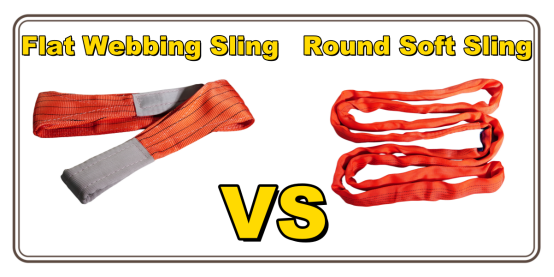
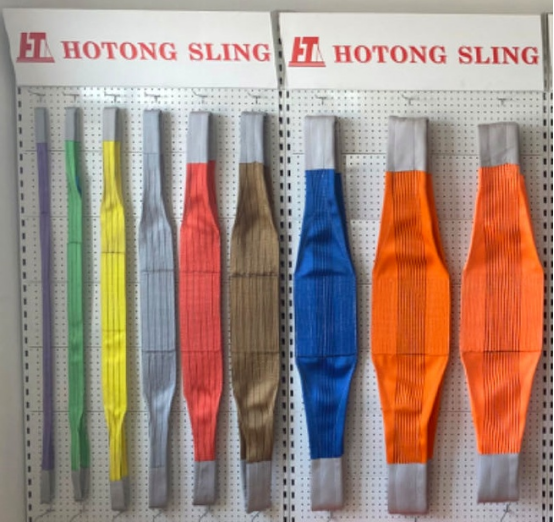
Flat webbing slings are made from strong woven polyester material. They are flat and wide, which helps spread the weight of the load across a larger area. This helps protect the load and makes lifting safer. These slings often have loops or “eyes” at both ends, which makes them easy to attach to hooks or lifting equipment. Flat slings are flexible, soft, and lightweight. They are color-coded by weight capacity, so users can quickly tell how much weight a sling can safely hold. You will often see flat slings used on construction sites, in warehouses, or in factories where people lift equipment, boxes, and other large items.
One of the best things about flat webbing slings is how easy they are to inspect. Because they are flat, it’s simple to spot cuts, tears, or signs of wear. They are also gentle on delicate surfaces, like painted machines or polished parts, since the wide surface reduces pressure points. Flat slings can be used in vertical, basket, or choke lifting methods, which makes them very versatile. However, they are not ideal for loads with sharp edges, as they can get damaged quickly without extra protection.https://htsling.com/product-category/flat-webbing-slings/
What Are Round Slings?
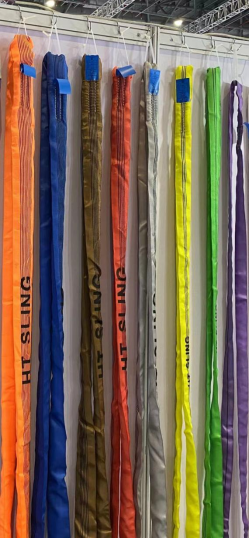
Round slings are also made from polyester, but they are different in shape and structure. Instead of being flat, they are round and soft. Inside the sling, there are many polyester yarns arranged in a loop. This inner core is covered by a strong, smooth sleeve that protects it from damage. Round slings are very flexible and can easily fit around odd shapes or tight lifting points. They are also color-coded by weight capacity, just like flat slings.
Round slings are often used to lift very heavy loads, like engines, steel coils, and large machines. Because the load rests inside the soft sleeve, round slings are very gentle and help protect the surface of the item being lifted. They are ideal when the item is fragile or when it has a polished finish. Round slings are especially useful in situations where space is limited and you need a sling that bends easily around the load.
Even though round slings are strong and long-lasting, they are harder to inspect than flat slings. The outer sleeve hides the inner core, so damage inside might not be visible. This means you must check them carefully and replace them if the sleeve shows signs of wear. Round slings are also more expensive than flat webbing slings, but they last longer if used correctly.https://htsling.com/product-category/round-slings/
Flat Slings vs. Round Slings: Which One Is Better?
Both types of slings have their strengths, and the best choice depends on the job. Flat webbing slings are a great choice for light to medium loads, especially when you want to protect the surface of the item. They are also less costly and easier to inspect. If you’re lifting boxes, machines, or parts that are not too heavy, a flat sling is a good option. However, you need to be careful around sharp corners. You should always use edge protectors if the load has sharp edges.
Round slings are better for heavy loads and awkward shapes. Because they are soft and flexible, they are ideal for loads that need extra care. If the space is tight or the load has a rounded shape, a round sling will fit better and lift more safely. Round slings also last longer under heavy use, but they require more attention when inspecting for damage. In general, use flat slings when the load is wide and stable, and use round slings when the load is heavy, fragile, or oddly shaped.
| Flat Webbing Slings | Round Slings | |
| Shape | Flat and wide | Round and tubular |
| Flexibility | Less flexible | Very flexible |
| Load Protection | Good surface contact | Excellent surface protection |
| Inspection | Easy to inspect | Hard to inspect the core |
| Price | Lower cost | Higher cost |
| Ideal Use | Lighter loads, wider area | Heavier loads, tight spaces |
| Lifespan | Shorter if used roughly | Longer with care |
| Damage Risk | Higher on edges | Lower with protective cover |
Safety Tips for Using Lifting Slings
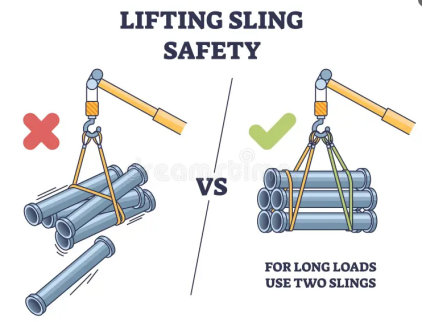
No matter which sling you use, safety should always come first. Before each lift, make sure to check the sling for any signs of wear, cuts, or damage. Never use a sling if the label is missing or unreadable. Always follow the working load limit (WLL) shown on the sling or the tag. Using a sling beyond its rated capacity is very dangerous and can lead to accidents.
Avoid using slings on sharp edges unless you have proper protection. The sharp edge can cut through the sling, especially if it is under pressure. Use corner protectors or sleeves when needed. Also, never tie knots in a sling, and do not twist or tangle it during use. After using the sling, store it in a dry, clean place to avoid damage from moisture, dirt, or sunlight.
Final Thoughts
Choosing between flat webbing slings and round slings is not hard once you understand how they work. Flat slings are better for light and wide loads. They are affordable, simple to inspect, and easy to use. Round slings are better for heavy and delicate loads. They are flexible, strong, and last longer with care. Both types are important tools in lifting, rigging, and material handling work. To get the best results, pick the right sling for your job and always follow safe lifting practices.
By knowing the differences between flat webbing slings and round slings, you can work more safely and efficiently. Whether you are lifting in a warehouse, a factory, or on a construction site, using the right sling can make a big difference. Stay safe and lift smart.