When it comes to transporting goods, whether across town or long distances, ensuring the safety and stability of the load is non-negotiable. Unsecured loads can lead to accidents, damage to goods, and even legal liabilities. This is where tie down solutions come into play—essential tools designed to keep your cargo in place during transit. Among the most reliable options are tie down straps, truck straps, ratchet tie down, cargo straps, small ratchet straps,lashing straps, cam buckle straps, and car strap, each tailored for various load types, vehicle models, and transportation scenarios. In this comprehensive guide, we’ll explore the basics of tie down systems, the key features of different tie down straps, how to choose the right one for your needs, and critical safety tips to ensure worry-free shipping.
What is Tie Down? Understanding Its Importance in Cargo Transportation
A tie down refers to any device or system used to secure cargo to a vehicle or a stationary surface, preventing movement, shifting, or falling during transportation or storage. The primary goal of a tie down is to maintain load stability, which not only protects the cargo from damage but also safeguards the driver, other road users, and infrastructure. From small packages that require small ratchet straps to heavy machinery needing robust truck straps or lashing straps, virtually every type of cargo requires appropriate tie down measures—making it a cornerstone of safe logistics and transportation operations.
Without proper tie down, even a minor bump or turn can cause cargo to shift, leading to imbalanced vehicles, reduced maneuverability, and potentially catastrophic accidents. Additionally, non-compliance with tie down regulations can result in fines, penalties, or even legal action. For businesses and individuals alike, investing in high-quality tie down solutions is not just a safety measure but also a smart business decision that avoids costly losses.
Key Types of Tie Down Straps: Features & Ideal Applications
Choosing the right tie down straps depends on your cargo type, weight, and transportation scenario. Below are the most common and reliable options, each engineered to address specific securing needs:
1. Ratchet Tie Down & Small Ratchet Straps: Heavy-Duty Precision
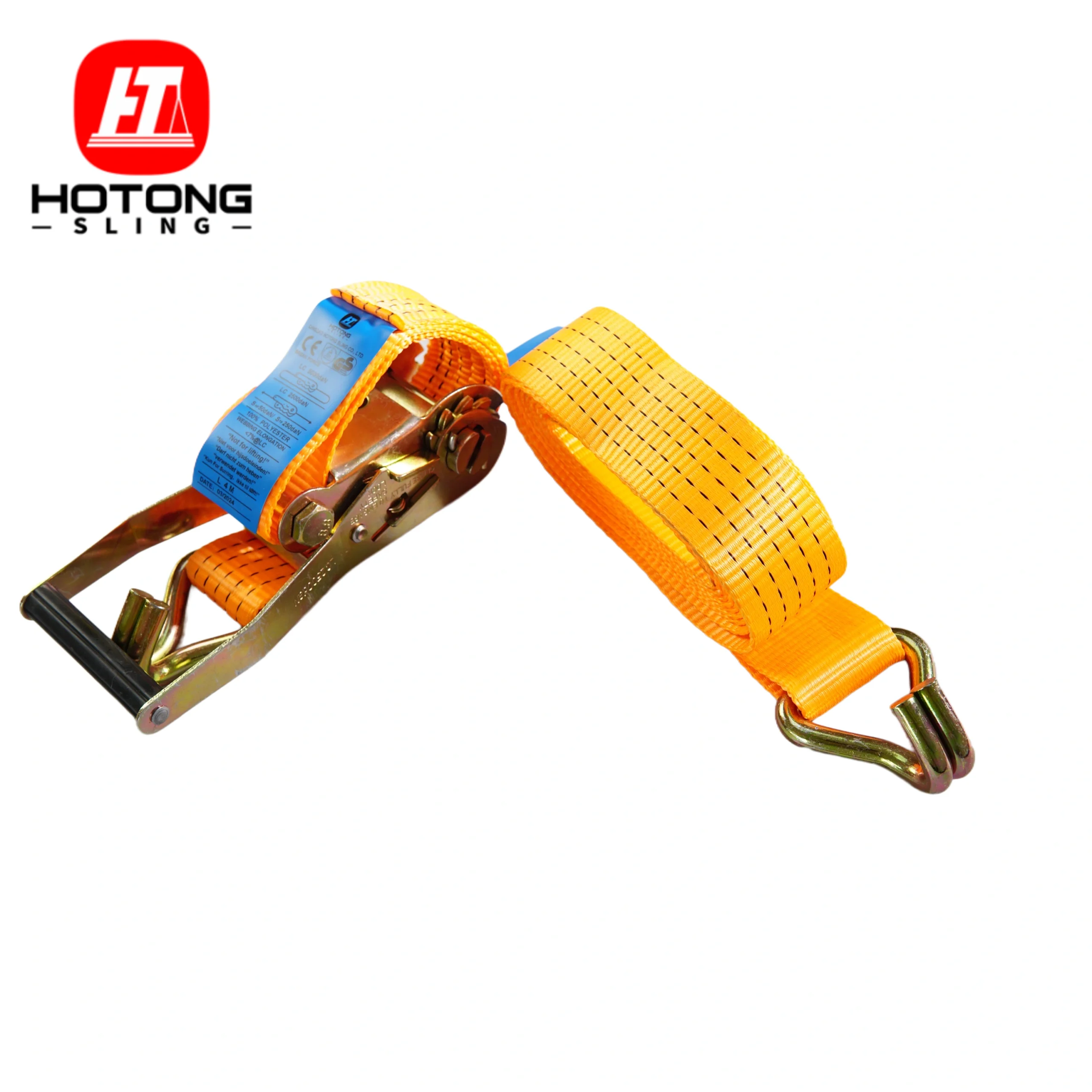
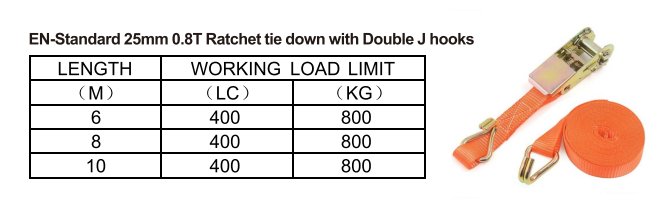
Ratchet tie down straps are the gold standard for securing heavy or bulky cargo, thanks to their robust ratchet mechanism that delivers high tension and secure locking. Ideal for loads like construction materials, industrial machinery, or large appliances, these straps ensure minimal movement even on rough roads. For smaller, lighter items—such as tools, small packages, or camping gear—small ratchet straps offer the same reliable tensioning in a compact, portable design. They’re a favorite among DIY enthusiasts, pickup truck owners, and small business owners for their versatility and ease of storage.
2. Truck Straps & Cargo Straps: Workhorses for Commercial & Personal Use
Truck straps are heavy-duty tie down straps specifically built for commercial trucking and trailer operations. Made from high-strength materials like polyester, they withstand the rigors of long-haul transportation, securing pallets, lumber, vehicles, and other large freight. Cargo straps are a broader category that includes truck straps and lighter-duty options, making them suitable for both commercial deliveries and personal moves. Whether you’re securing furniture in a moving van or equipment in a pickup bed, cargo straps provide flexible, reliable securing for a wide range of loads.
3. Cam Buckle Straps: Quick & Gentle for Light-to-Medium Loads
Cam buckle straps stand out for their speed and simplicity, using a cam mechanism to lock the strap in place with minimal effort. Perfect for light-to-medium loads—such as boxes, luggage, ATVs, or outdoor gear—they’re ideal for situations where you need to secure and unsecure cargo frequently. Unlike ratchet straps, cam buckle straps are less likely to over-tighten, making them gentle on delicate cargo like furniture or electronics. Their lightweight design also makes them easy to keep in your vehicle for emergency use.
4. Lashing Straps: Bundling & Stabilizing Loose Cargo
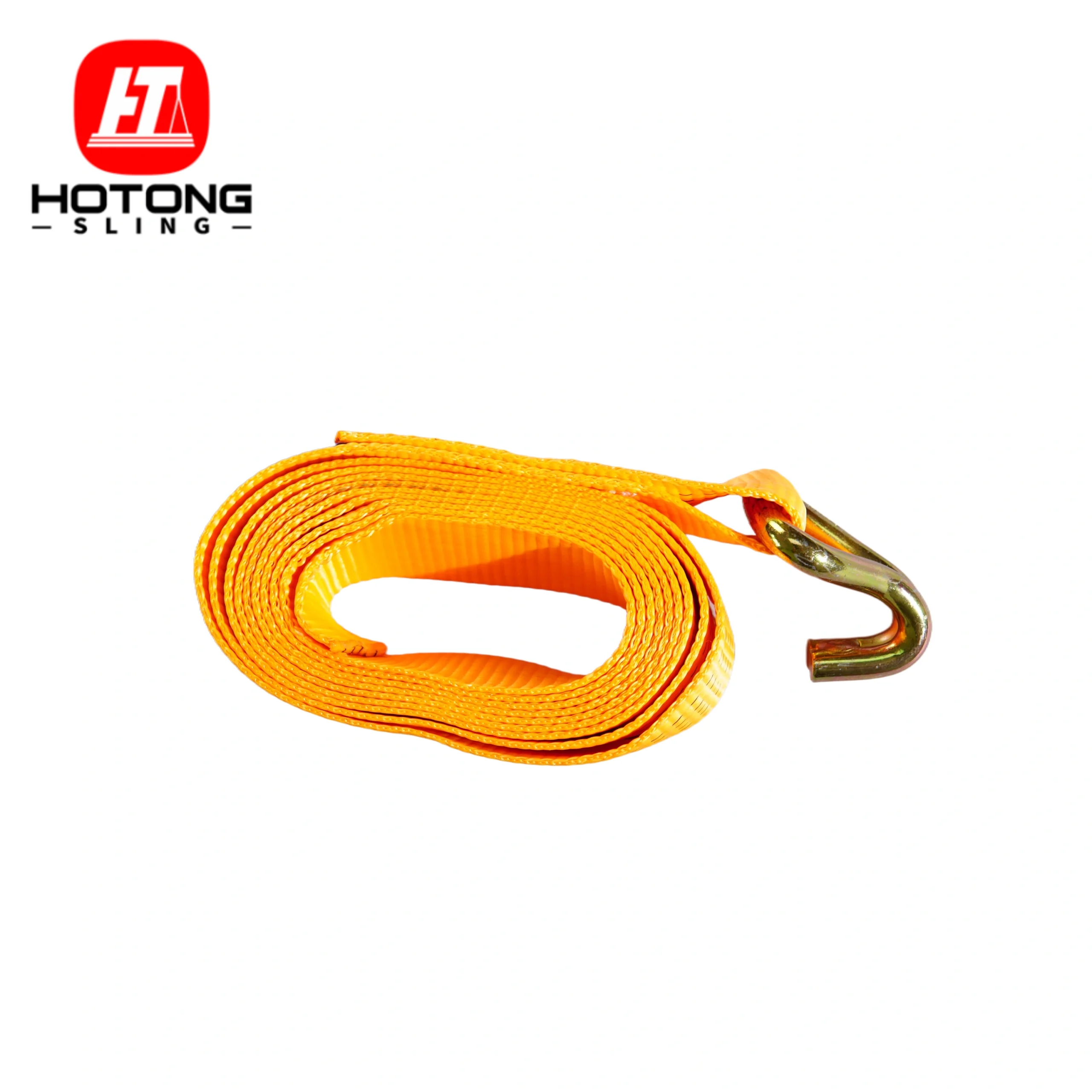
Lashing straps are designed to bundle multiple items together or stabilize loose cargo, preventing shifting during transit. They’re often used as a first layer of securing—for example, bundling pipes, lumber, or packages—before adding additional tie down straps for extra stability. Equipped with hooks or loops for easy attachment to anchor points, lashing straps are cost-effective and versatile, ensuring even small, loose items don’t become hazards on the road. They’re a must-have for anyone transporting irregularly shaped or loose loads.
5. Car Strap: Specialized for Vehicle Transportation
Car strap is a specialized tie down solution designed exclusively for transporting vehicles on trailers or flatbeds. Built to handle the weight and movement of vehicles, these straps feature padded hooks to avoid scratching paint or damaging frames. Most car straps use a ratchet mechanism for maximum tension, ensuring the vehicle stays firmly in place during long-distance hauls or rough terrain. Whether you’re a car enthusiast transporting a classic vehicle or a dealership moving inventory, car straps are essential for safe, damage-free vehicle transport.
How to Choose the Right Tie Down Straps: Essential Factors
To select the best tie down solution for your needs, consider these key factors to ensure safety, compliance, and effectiveness:
Load Weight & Size: Match the strap’s load capacity to your cargo weight—heavy loads require ratchet tie down or truck straps, while lighter loads work with cam buckle straps or small ratchet straps. Large, irregular loads may need lashing straps for bundling.
Transportation Environment: For outdoor or long-haul transport, choose weather-resistant materials to avoid damage from UV rays or moisture. Indoor or short-distance transport can use lighter, more economical straps.
Cargo Sensitivity: Delicate items need straps with padded hooks or gentle tensioning to prevent scratches or damage.
Vehicle & Anchor Points: Ensure your vehicle has sturdy anchor points compatible with the strap’s hooks. Truck straps and cargo straps are designed for commercial vehicle anchor points, while small ratchet straps work with personal vehicle anchors.
Regulatory Compliance: Check local/regional tie down regulations to ensure your straps meet load rating and safety requirements—non-compliance can result in fines.
Safety Tips for Using Tie Down Straps
Even the best tie down straps require proper use to ensure cargo safety. Follow these tips to avoid accidents and damage:
Inspect Before Use: Check straps for fraying, cuts, tears, worn hooks, or damaged mechanisms. Replace any damaged straps immediately—never use compromised tie down equipment.
Avoid Over-Tightening: Over-tensioning can damage cargo or the strap. Use the ratchet/cam mechanism to apply just enough tension to keep the cargo stable, especially with delicate items.
Use Multiple Straps: Don’t rely on a single strap for heavy or large cargo. Use multiple straps to distribute tension evenly and reduce risk.
Secure to Proper Anchors: Never attach straps to weak points. Use only designated anchor points to ensure the strap holds under tension.
Recheck During Transit: For long hauls, stop periodically to inspect and re-tighten straps—road vibrations can loosen tension over time.
Proper Storage: Clean and dry straps after use, then store in a cool, dry place away from direct sunlight. This extends the strap’s lifespan and maintains its strength.
Conclusion
Tie down solutions are critical for safe, secure cargo transportation, and choosing the right tie down straps—whether ratchet tie down, truck straps, small ratchet straps, lashing straps, cam buckle straps, cargo straps, or car strap—ensures you protect your cargo, vehicle, and other road users. By understanding the different strap types, their applications, and following safety best practices, you can avoid accidents, comply with regulations, and transport goods with confidence.
Investing in high-quality tie down equipment is a smart decision for businesses and individuals alike—it reduces the risk of costly damage, fines, and legal liabilities. If you’re unsure which strap is right for your needs, consult a trusted supplier to get expert advice tailored to your specific cargo and transportation requirements.